How to Create a Timeless Interior Design That Never Goes Out of Style
July 17, 2026 by Tijendra SEO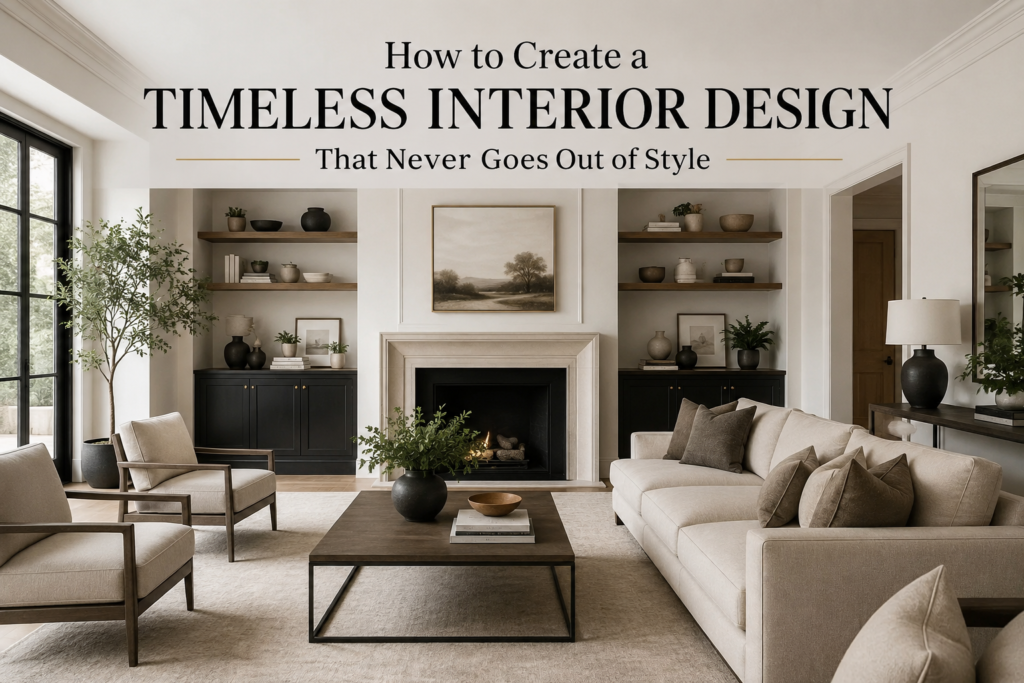
Trends come and go, but a well-designed home should still feel relevant ten or twenty years from now. That’s the promise of Timeless Interior Design — a design philosophy built on balance, quality, and restraint rather than fleeting fads. If you’ve ever walked into a beautifully decorated space and felt it could belong in any decade, you’ve experienced timeless design in action.
This guide breaks down exactly how to achieve that lasting appeal in your own home, whether you’re starting a full renovation or simply refreshing a room.
What Is Timeless Interior Design?
Timeless interior design focuses on classic proportions, quality materials, and a neutral foundation that can evolve with your taste over time. Unlike Contemporary Interior Design, which reflects what’s popular right now, timeless design borrows the best elements from Classic Interior Design and Modern Interior Design and blends them into something that ages gracefully. It’s not about avoiding style altogether — it’s about choosing styles that don’t expire. If you’d like a deeper look at why this approach matters, we’ve also covered why timeless decorating is important in an earlier guide.
1. Start With a Neutral Foundation
Every enduring interior begins with a calm base. Walls, flooring, and large furniture pieces should lean toward neutral tones — whites, warm greys, beiges, and soft earth colors. This foundation acts as a blank canvas, letting you introduce color and personality through accessories that are easy to update later.
Neutral doesn’t mean boring. Layering different textures — linen, wood, stone, and wool — keeps a neutral palette visually rich without relying on trend-driven colors that date quickly.
2. Invest in Quality Over Quantity
One of the biggest differences between trendy and timeless spaces is craftsmanship. A few well-made pieces — a solid wood dining table, a leather sofa, custom cabinetry — will outlast a room full of budget furniture bought for a passing trend. This is a core principle in most Interior Design Tips shared by experienced designers: buy less, but buy better.
Quality materials like solid wood, natural stone, and genuine metal finishes also age beautifully, developing character rather than looking worn out.
3. Choose Classic Furniture Silhouettes
Furniture with clean, simple lines rarely feels dated. Think roll-arm sofas, straight-legged tables, and unfussy upholstered chairs. These classic silhouettes are staples across both Elegant Home Interiors and modern minimalist spaces because their proportions are inherently balanced.
Avoid overly ornate or extremely trend-specific shapes unless they’re statement pieces you genuinely love — those work best in small doses.
4. Layer in Texture, Not Just Trends
Texture is what gives a timeless room depth without relying on color trends. Combine:
- Natural fibers like jute, cotton, and linen
- Warm wood tones in flooring or furniture
- Matte and honed stone surfaces
- Soft textiles like wool throws and structured cushions
This layered approach is common across Interior Design Styles ranging from Scandinavian to transitional, proving that texture, not novelty, is what creates warmth and longevity.
5. Let Architecture Lead the Design
Good Home Interior Design respects the bones of the space — ceiling height, window placement, natural light, and room proportions. When architecture and furniture work together, the design feels intentional rather than assembled from a catalog. This is especially important in Luxury Interior Design, where custom millwork, paneling, and built-ins are designed to match the room’s structure rather than fight it.
6. Use Trends as Accents, Not Anchors
You don’t have to avoid trends entirely — the key is where you place them. Reserve trendy colors, patterns, or decor pieces for elements that are easy and inexpensive to swap: cushions, throws, artwork, vases, and lighting fixtures. Keep permanent, expensive elements like flooring, cabinetry, and structural finishes classic and neutral.
This strategy lets your home feel current with Interior Design Trends each season, without needing a full renovation every few years.
7. Prioritize Function Alongside Aesthetics
A timeless home works as hard as it looks good. Thoughtful storage, comfortable seating heights, and practical layouts matter just as much as color schemes. In Living Room Interior Design, for instance, furniture should be arranged for real conversation and movement, not just for photographs.
8. Keep Lighting Warm and Layered
Lighting has a huge impact on how “current” or “dated” a space feels. Warm-toned, layered lighting — ambient, task, and accent — creates a welcoming atmosphere that suits both Contemporary Interior Design and classic interiors alike. Avoid overly cool or harsh lighting, which can make even a well-designed room feel clinical.
9. Embrace Minimalist Principles
You don’t need to follow a strict Minimalist Interior Design approach to benefit from its core idea: every item in a room should earn its place. Decluttered, purposeful spaces naturally feel timeless because they’re not overwhelmed by short-lived decor trends.
10. Personalize Thoughtfully
Finally, timeless doesn’t mean impersonal. Family photos, art you love, and travel finds add authenticity to a space. The trick is to integrate personal items intentionally, rather than letting them clutter the overall design language of the room.
Final Thoughts
Creating a timeless interior isn’t about following a rulebook rigidly — it’s about building a foundation strong enough to support change. With a neutral base, quality materials, classic silhouettes, and thoughtful lighting, your home can adapt to new Interior Decorating Ideas each year without ever needing a full overhaul.
If you’re looking for expert guidance to bring these principles to life, working with an experienced interior designer company in Trivandrum ensures your home is designed with both longevity and craftsmanship in mind — from material selection to layout planning.
Frequently Asked Questions (FAQ)
1. What makes an interior design “timeless” instead of trendy?
Timeless design relies on neutral palettes, classic furniture proportions, and quality materials that don’t rely on seasonal trends. Trendy design, by contrast, follows short-lived colors, patterns, or shapes that can look dated within a few years.
2. Is timeless interior design expensive?
Not necessarily. While investing in quality pieces can cost more upfront, timeless design actually saves money long-term because you replace and renovate far less often compared to trend-driven decorating.
3. Can I mix modern and classic elements in a timeless design?
Yes. In fact, blending Modern Interior Design with Classic Interior Design elements is one of the most effective ways to create a balanced, enduring look that still feels fresh.
4. How do I update a timeless room without overhauling it?
Focus on easily replaceable items — cushions, artwork, rugs, and lighting fixtures — to introduce current Interior Design Trends without touching permanent finishes like flooring or cabinetry.
5. Do I need a professional designer to achieve a timeless look?
While it’s possible to DIY certain elements, a professional interior designer brings expertise in material selection, proportion, and layout that helps avoid costly mistakes and ensures the design truly stands the test of time.